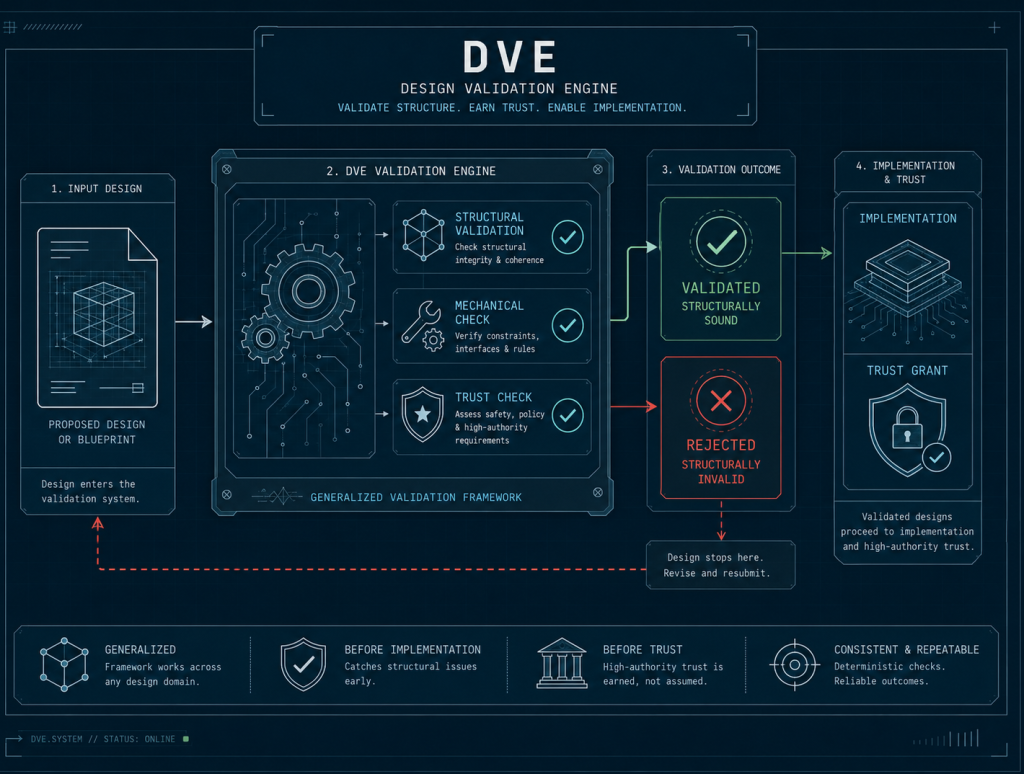
Storyboard: EmeraldAir NIS2 AI Governance Narrative
Context: EmeraldAir is a national flag carrier. Under NIS2 regulations, its core digital infrastructure is treated as an essential service. The CISO, Aoife, is personally accountable for cyber-resilience. Her operational strategy relies on AidenCore Enterprise Enterprise as a sovereign governance and execution platform for critical systems.

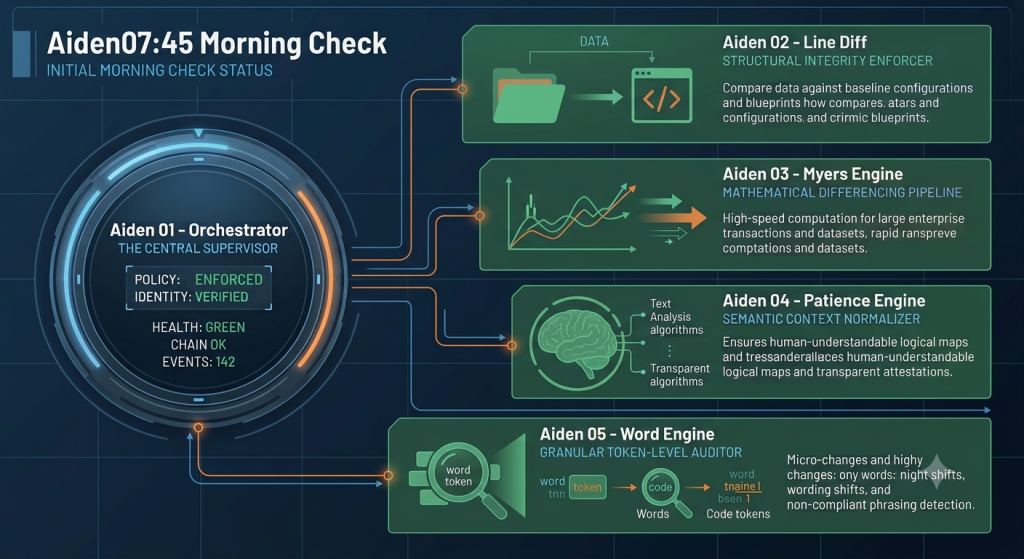
Image 1: 07:45 – CISO Morning Check
The Illustrated Story: Aoife arrives at her desk, coffee in hand, and immediately opens the dedicated NIS2 Auditor View inside AidenCore A1. The screen displays the global AuditStatusInline panel.
She needs to verify the foundational state of her environment before the day’s work begins. Her mental checkpoint is clear: “If an auditor walked in right now and asked, ‘Is your audit chain intact?’ I must answer in under a minute.”
The panel gives her immediate confidence:
- Engine: GREEN and Chain: CHAIN OK.
- Events (last 24h): 142.
- Last event: 07:31 – “Config change: crew-rostering-service / token lifetime.”
She drills down into the health checklist, confirming the unalterable Audit Journal is present. A brief amber hint regarding a self-healed journal write delay at 02:00 confirms the system’s native resiliency, but requires no action. The governance spine is solid.

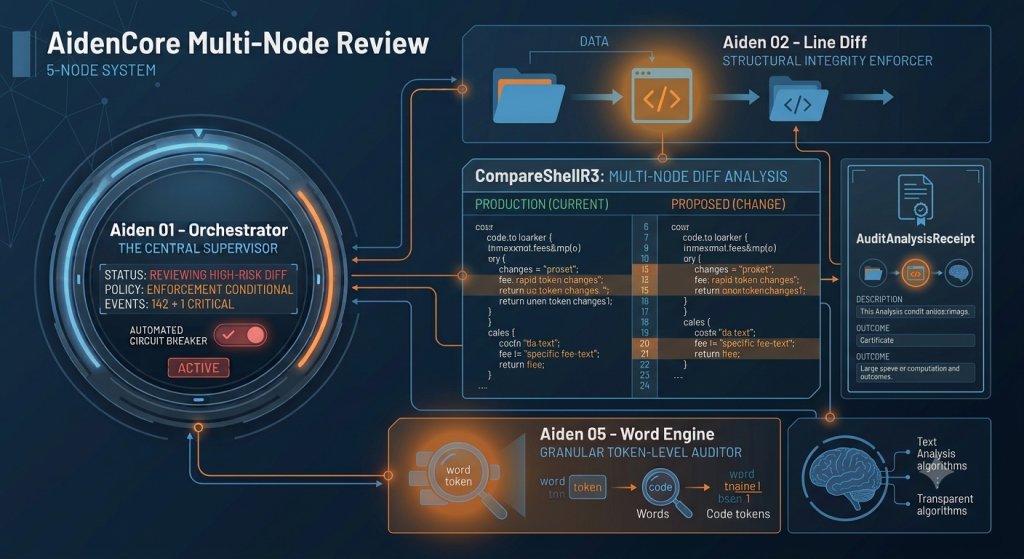
Image 2: 10:15 – High-Risk Diff Detection
The Illustrated Story: The morning calm is broken by a high-stakes development ticket. The Dev team needs to tighten security in the Crew Rostering Console, adjusting JWT token lifetimes and adding an idle timeout. The intent is positive security, but the code touch is significant.
Normally, this is an isolated change. In EmeraldAir A1, this code diff automatically flows through the CompareShellR3 and DiffInspector pipelines. These modules perform a local, deterministic, multi-node comparison.
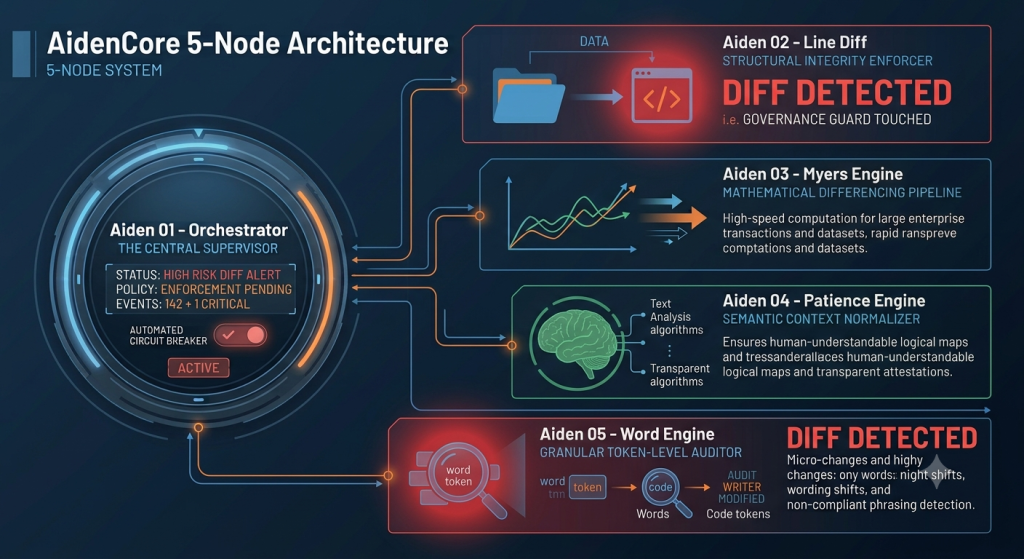
The system detects critical modifications in three key architectural layers:
- auth/sessionConfig.ts (The planned change).
- authority.guard.cjs (The system’s governance rules).
- audit.writer.cjs (The immutable audit writer caller).
AidenCore instantly recognizes the structural threat to the governance chain itself.
AidenCore Enterprise A1 does not block the engineers from working, but it intercepts the deployment pathway. It issues a massive, overriding alert overlay in the CISO’s dashboard, blocking any attempt to promote the code to production without an intentional governance sign-off. The diff is reclassified to HIGH/STRICT because the security controls themselves were modified.

Image 3: 10:17 – Multi-Node Review & Acknowledgment
The Illustrated Story: Aoife opens the full DiffInspector panel to assess the risks side-by-side (Production vs. Proposed). The view uses the specialized analysis of the 5-Node cluster.
The cluster generates hotspots based on specific node analysis:
- Aiden 03 (Myers Engine) diffs the fast mathematical change.
- Aiden 05 (Word Engine) performs token-level inspection, identifying the shift from 12h expiry to 4h.
- Aiden 02 (Line Diff) flags the most concerning change: Line 142 of
authority.guard.cjsnow bypasses the legacy ‘offline training’ mode, an operational risk to the Crew Ops team.
Aoife leaves a structured note directly in the generated AuditAnalysisReceipt: “Approved conditional on Crew Ops confirming no dependency on offline training mode. Good tightening of session window; ensure training simulations use dedicated environment.” She enforces accountability before the decision moves forward.

Image 4: 13:30 – Auditor Mock Review: The Event Narrative
The Illustrated Story: In the afternoon, a formal audit drop-in occurs. Mark, an external auditor conducting a mock NIS2 readiness review, is visiting. He doesn’t want logs; he wants narratives.
Aoife walks him through the system from the dedicated Auditor Seat View. He requests an event walkthrough. In the Audit Explorer – Events tab, they filter by Kind = governance and Severity = critical | error. The recent crew rostering session change receipt appears instantly.
Mark clicks into the receipt. The right-hand panel gives him a complete, immutable timeline of the event:
The system does not just show what happened, but why. Mark reads the system reason: “System detected changes in governance guard and audit writer. Classified as HIGH. CSIO review required.” Mark does not need to take Aoife’s word for it. The governance narrative is cryptographically sealed in the immutable audit spine.

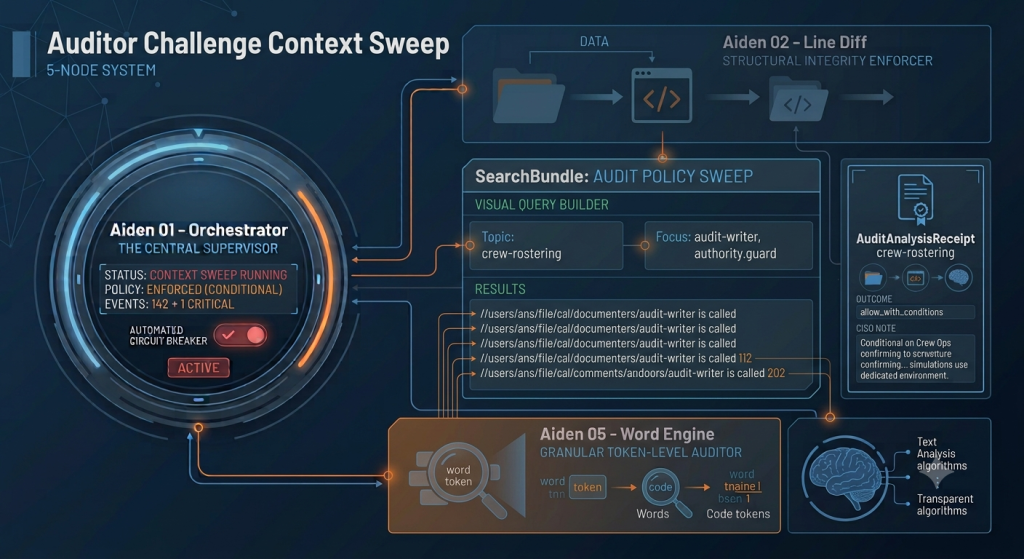
Image 5: 13:45 – Auditor Challenge: Governance Context Sweep
The Illustrated Story: Mark isn’t finished with his review. He now challenges Aoife with a functional test: “Show me every place where your audit writer is called from crew systems.”
This request normally requires a long, complex manual search through scattered log piles. Aoife opens the specialized SearchBundle – Governance Sweep interface. She enters:
- Topic:
crew-rostering - Focus:
audit-writer,authority.guard
The tool orchestrates multiple pre-built searches across the local environment.
In seconds, the system returns all relevant files where the audit writer is called, along with associated governance guards. The output provides context, not just logs. The auditor receives a comprehensive map of the policy execution surface. Mark nods; he’s satisfied that the organization has structural command over its compliance posture.

Image 6: 16:45 – End-of-Day Review
The Illustrated Story: The operating day concludes. The crises were detected and resolved; the audit challenge was met. Before leaving, Aoife opens the NIS2 Auditor View one final time for her end-of-day summary.
AidenCore Enterprise A1 displays the clean daily wrap-up:
- HEALTH: GREEN. Broken Chains: ZERO.
- High-Risk Events Today: 1 (The crew-rostering diff she personally signed off).
- Medium Events: 7 (Small configuration tweaks and CI policy updates).
Everything that mattered today is captured as structured receipts with embedded reasoning. EmeraldAir A1 has done its job, turning scattered operational data into a structured governance narrative that both an airline CISO and a regulator can trust. The airline is resilient.